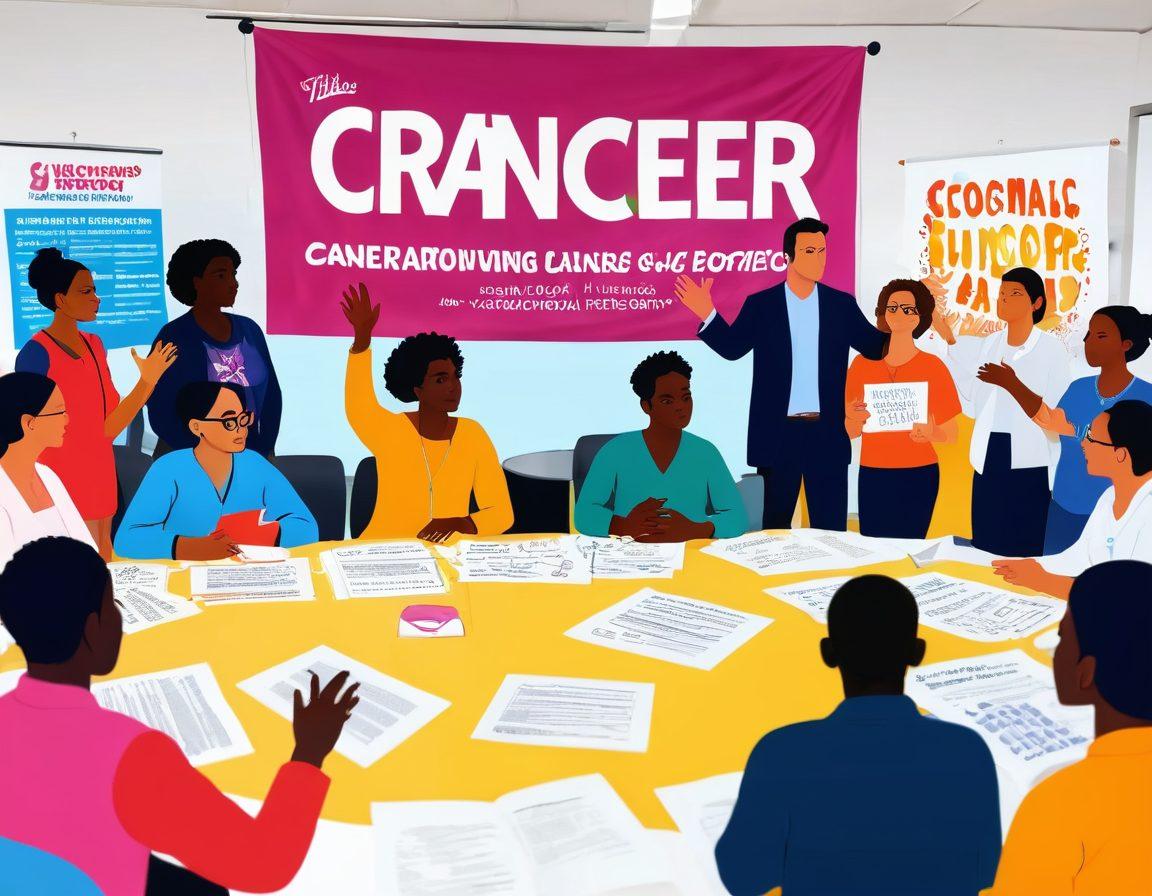
Navigating the Cancer Journey: Empowerment through Advocacy and Support
In the battle against cancer, the journey can feel like a daunting climb. With nearly 40% of individuals facing a diagnosis at some point in their lives, it’s not merely a challenge of physical endurance—emotional and psychological resilience plays a critical role. This is where advocacy comes into play. Advocacy empowers patients by providing them the tools and support to navigate their unique oncology journeys. Whether dealing with carcinoma, tumors, or any other malignancy, the presence of advocacy ensures that patients are not just surviving, but thriving in their cancer care journey.
Imagine being a patient sitting in a sterile waiting room, anxiety bubbling beneath your skin as you await your oncology appointment. Empowerment in this daunting moment can arise from understanding your rights and options. 'Knowledge is power,' the age-old quote rings truer than ever here. Advocacy encompasses patient education, informing us about the different types of cancers like breast cancer, lung cancer, and prostate cancer, and the treatment options available. Knowing your disease management rights allows you to ask the right questions and stay active in decision-making processes about your health and wellness.
But how do we cultivate this empowerment? The answer lies in the rich network of cancer support groups and community support systems. Surrounding ourselves with individuals who share similar health challenges fosters not only understanding but also provides tangible resources to navigate the labyrinth of clinical trials and medical research. Your journey need not be walked alone; instead, these communal experiences offer invaluable life lessons and hope. Wouldn’t you agree that a simple conversation during a support group can drastically shift one’s perspective on survivorship?
It’s crucial to recognize that while we may focus on the physical ramifications of cancer care, there is a significant mental health aspect that requires equal attention. Chronic illnesses often come hand-in-hand with overwhelming emotional burdens. Advocacy doesn’t only encompass pushing for better treatment options; it's equally about nurturing holistic health. Encouraging mental wellness initiatives plays a vital role in combating the stresses associated with an oncology journey, from the fear of recurrence to the anxiety of uncertainty. How can we better support our mental health during such challenging times?
Ultimately, the essence of advocacy is about lifting each other up and promoting social awareness. We can use our voices to contribute to scientific studies and discussion around the needs of diverse populations, including those with unique challenges such as neurodiversity or those affected by autism spectrum conditions. By empowering ourselves and others through education and understanding, we pave the way to a world that’s more inclusive for everyone facing health challenges. Together, we can advocate for a future where the journey through a cancer diagnosis is not only manageable but filled with hope and healing.
Navigating Support Systems: How Community and Care Enhance Cancer Journeys
Navigating the cancer journey is often seen as one of the most challenging experiences anyone can face. It's a path filled with uncertainty; however, it can also lead to empowerment through advocacy and support. In the realm of oncology, where terms like carcinoma and malignancy can instill fear, there lies a beautiful tapestry woven with stories of survival, community resilience, and the transformative power of support. Have you ever wondered how a strong support system can be the light at the end of this often dark tunnel?
When someone is diagnosed with cancer, be it breast cancer, lung cancer, or prostate cancer, their world can feel like it's been turned upside down. Suddenly, they are thrust into a whirlwind of medical jargon, like tumor and disease management discussions, leading to feelings of isolation. Yet, this is where community support makes a profound difference. Support groups can become safe havens where individuals share not just their journeys but also their fears, hopes, and experiences. It's here that stories of cancer care merge with the lives of others, creating bonds that can last a lifetime. Have you ever been in a group where sharing a laugh amid heartache felt like a breath of fresh air?
Understanding the importance of patient advocacy and education is crucial for navigating these health challenges. Many individuals may not be aware of the resources available to them. From wellness initiatives to scientific studies highlighting breakthroughs in medical research and clinical trials, the realm of cancer support has evolved tremendously. With advocates at the forefront of the fight against cancer, empowering patients to make informed decisions regarding their treatment and mental health has become a priority. This raises the question: how can we harness the power of community to educate and support those who might not know what they need?
Moreover, recognizing that cancer isn't just a physical battle, but also a mental one is essential. Holistic health approaches, focusing on both the body and mind, have gained traction in recent years. The impact of a cancer diagnosis can lead to feelings of despair and anxiety. However, when combined with community support, individuals can find solace in shared experiences. Those who have traveled this road can offer insight, encouragement, and a listening ear. While navigating a chronic illness, do you agree that knowing you are not alone can foster resilience?
Ultimately, the cancer journey is not one that should be traversed alone. The strength found in community—through shared stories, support groups, and advocacy—creates an empowering environment for those affected by cancer. As we continue to promote cancer awareness and support initiatives, let’s not forget that each interaction can lead to a ripple effect of hope and healing. It’s time to leverage the power of community support and ensure that every survivor realizes their journey is a shared one—a fusion of experiences, challenges, and triumphs. Together, let’s walk this path and celebrate survivorship, proving that while cancer may change our lives, it doesn't define them. What steps will you take today to foster community in your own cancer journey?
From Awareness to Action: Transforming Cancer Care through Education and Advocacy
The journey through cancer can often feel like navigating a labyrinth—confusing, overwhelming, and sometimes disheartening. Yet within this journey lies the immense power of education and advocacy that can transform experiences from mere awareness into meaningful action. As we explore the pivotal role of advocacy in cancer care, consider how a single voice can ripple through the landscape of oncological treatments, influencing everything from medical research to community support. Have you ever paused to think about how our shared stories can create a wave of change in health and wellness?
Imagine standing in a room filled with survivors of various cancer types—breast cancer, lung cancer, prostate cancer, and beyond. Each person brings a unique narrative, highlighting how education shaped their pathway through malignancy. The drive for advocacy emerges when patients and families connect and learn from each other's battles with illness and wellness initiatives. It’s a reminder that fostering cancer awareness not only elevates individual experiences but also builds a powerful coalition for disease management. What if your story could inspire someone else to take charge of their cancer journey?
Health challenges associated with chronic illness can feel isolating, yet the power of patient advocacy can combat these feelings. Advocacy isn't just about raising awareness; it’s also about action. Through support groups and community initiatives, patients stand together—sharing resources, experiences, and ultimately fostering a sense of belonging. Think about the impact of a local support group focused on neurodiversity and autism spectrum initiatives. By extending the lens of advocacy across various health challenges, we promote holistic health practices that treat the patient, not just the tumor.
Scientific studies and clinical trials often become the backbone of effective cancer care. But how do we ensure that patients are heard in the corridors of research institutions? Herein lies the importance of education—empowering advocates who can voice the concerns and needs of the populace affected by malignancies. Every data point reflects a person’s fight; every clinical trial can be a beacon of hope. Isn't it time we align the conversations around medical research with the realities faced by patients every day?
As the landscape of cancer care evolves, the importance of advocacy and education becomes even more critical. Every individual can play a part, whether by participating in research, joining awareness campaigns, or advocating for better resources and treatments. Empowerment through education gives us the tools to turn passion into action, shaping a future where cancer support is not just a concept, but a robust reality. So, how can you get involved in transforming the cancer experience—from awareness to action, let's embark on this journey together!